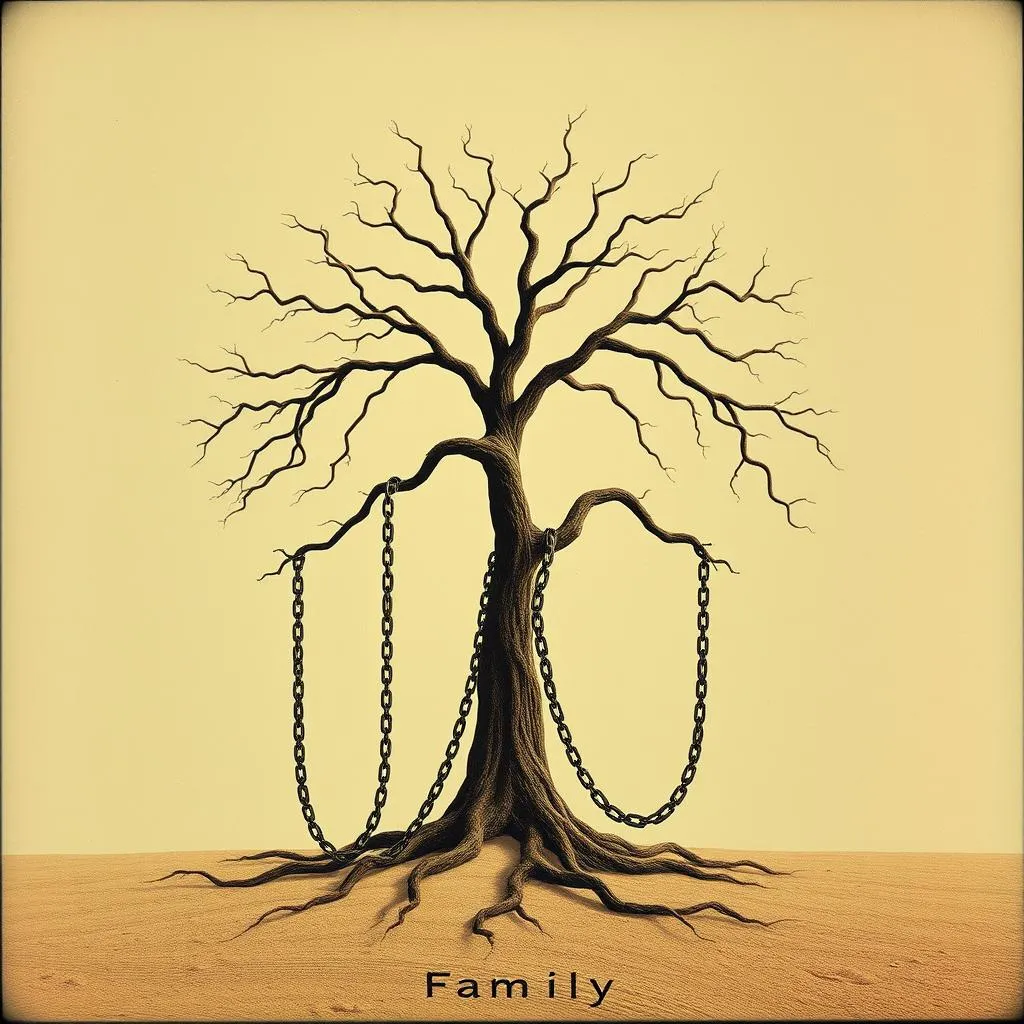
Dr. Wolf testified that disruptions in the parent-child relationship might provoke fear and anxiety in a child and diminish his or her sense of stability and self. Tr. 565-67. He described the typical response of a child separated from his parent: “When a young child is separated from a parent unwillingly, he or she shows distress … At first, the child is very anxious and protests vigorously and angrily. Then he falls into a sense of despair, though still hyper vigilant, looking, waiting, and hoping for her return …” A child’s sense of time factors into the extent to which a separation impacts his or her emotional well-being. Thus, for younger children whose sense of time is less keenly developed, short periods of parental absence may seem longer than for older children. Tr 565-65. See also Ex. 141b.
Another serious implication of removal is that it introduces children to the foster care system, which can be much more dangerous and debilitating than the home situation. Dr. Stark testified that foster homes are rarely screened for the presence of violence, and that the incidence of abuse and child fatality in foster homes is double that in the general population. Tr 1596; Ex. 122 at 3-4. Children in foster care often fail to receive adequate medical care. Ex. 122 at 6. Foster care placements can disrupt the child’s contact with community, school and siblings. Ex. 122 at 8.
Dr. Pelcovitz stated that “taking a child whose greatest fear is separation from his or her mother and in the name of ‘protecting’ that child [by] forcing on them, what is in effect, their worst nightmare, … is tantamount to pouring salt on an open wound.” Ex. 139 at 5.




 J_Prince