Loading…
Comments
Lyrics
.
.
.
.
.
.
.
Reason Is Not Safe
Reason is not polite.
It does not knock before entering your mind.
It kicks the door in,
tracks mud across your beliefs,
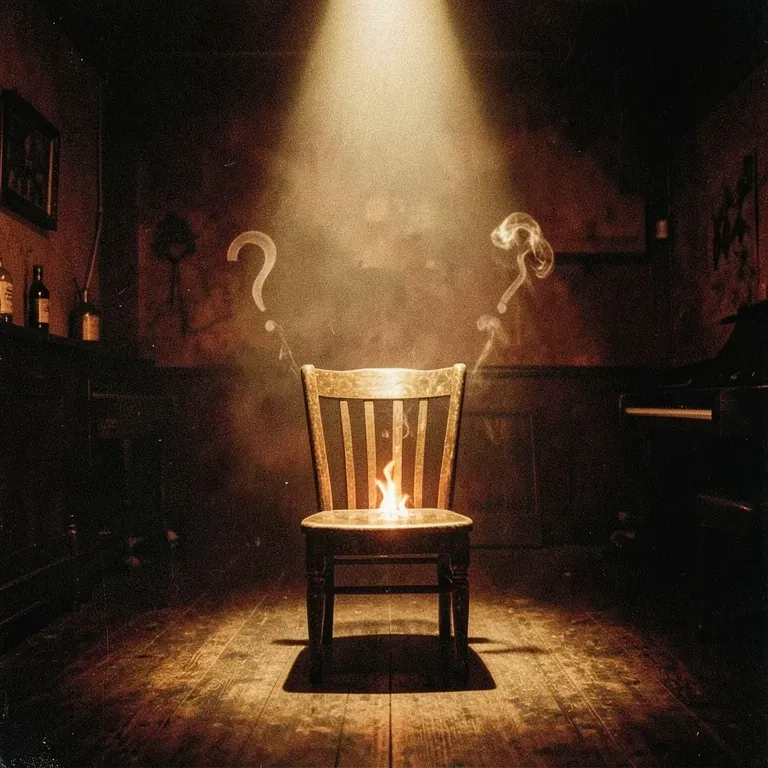
and sits in the chair you built out of comfort.
You say you want truth?
Then why decorate your cage with opinions
and call it freedom?
Reason is the fire that asks,
“Who told you that?”
and waits…
while your inherited answers start to stutter.
It is not emotionless
no—
it feels like drowning at first,
because illusion fights back.
Because everything you were handed
does not want to be questioned.
Reason is dangerous
to lies that learned how to dress like culture,
to fear that learned how to speak like authority,
to silence that learned how to disguise itself as peace.
It will turn you against your own reflection,
until you realize—
you were never looking at yourself,
only a version approved by survival.
Reason does not care
about your comfort, your tribe, your timeline.
It cares about alignment.
Sharp. Unforgiving. Precise.
It asks:
“If this is true… can it stand alone?”
No crowd.
No echo.
No applause to hold it up.
Just weight.
And most things collapse there.
Reason will strip your heroes naked,
not to shame them—
but to show you
you were kneeling too quickly.
It will unravel language,
pulling meaning out by the root,
until words stop sounding holy
and start sounding human again.
You will lose people.
Let’s not lie about that.
Because reasoning out loud
sounds like betrayal
to those who survive on agreement.
But what is loyalty
if it demands your blindness?
Reason is not rebellion.
It is remembering.
Remembering that your mind
was not designed
to be a storage unit for other people’s conclusions.
It is a blade.
A compass.
A mirror that refuses to flatter.
And when you stay with it—
through the loneliness,
through the collapse,
through the uncomfortable clarity—
you begin to see:
Reason is not cold.
It is the highest form of love
that refuses to lie to you.
Even
when lying
would feel better.
.
.
.
.
.
.
.
.
.
Details
GeneratedMar 29, 2026
Duration3:25
LanguageEnglish
Style
chicago blues, soul, swing
Credits
Prompt by Gwenzo
Gwenzo ModelAria v5