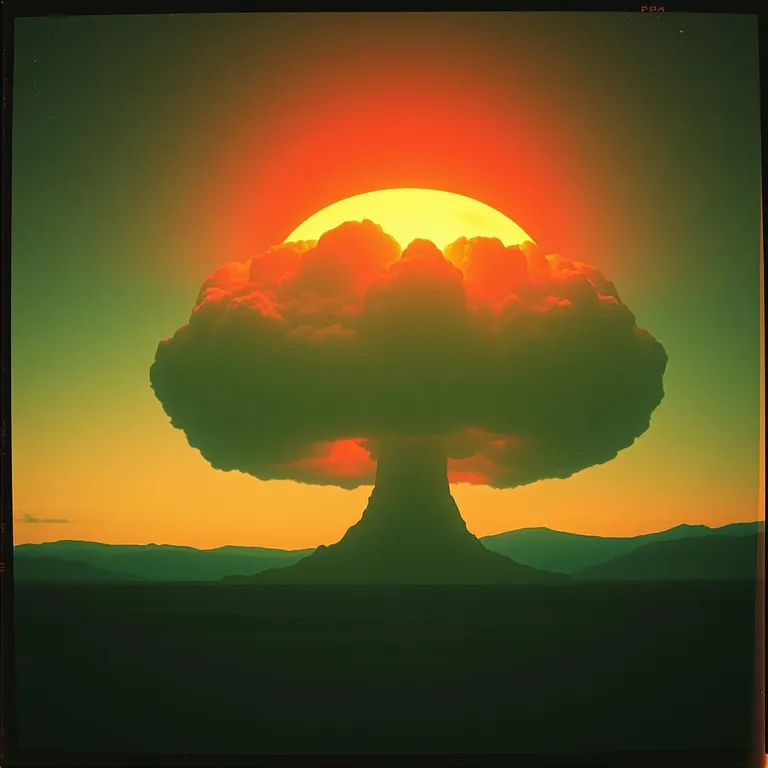
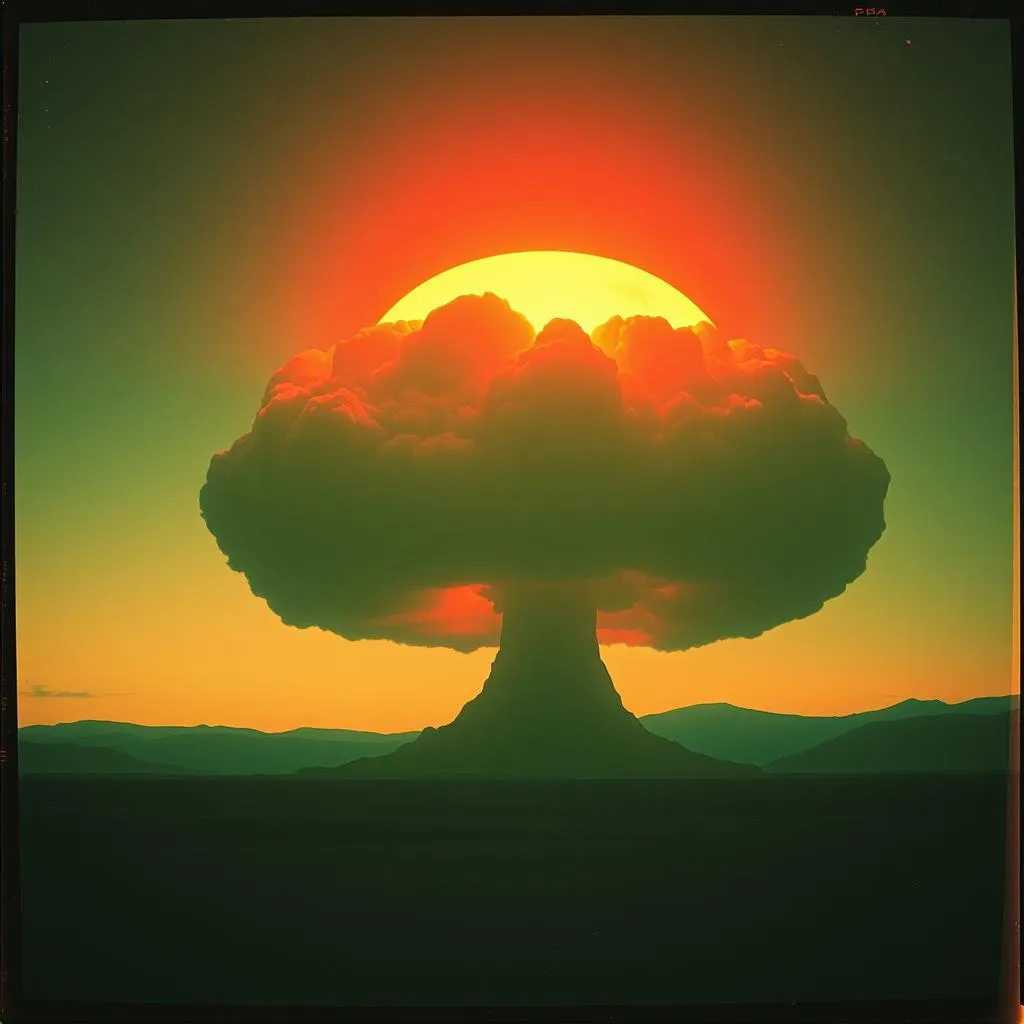
The atomic bomb is a weapon of mass destruction that derives its immense explosive power from nuclear fission — the splitting of heavy atomic nuclei such as uranium-235 or plutonium-239. When these nuclei are bombarded with neutrons, they split into smaller fragments, releasing enormous amounts of energy in the form of heat, blast, and radiation. This chain reaction can occur in a fraction of a second, producing an explosion many thousands of times more powerful than conventional bombs.
The first development of the atomic bomb occurred during World War II under the U.S.-led Manhattan Project, a top-secret scientific and engineering effort involving figures like J. Robert Oppenheimer, Enrico Fermi, and Niels Bohr. In July 1945, the first atomic bomb test, codenamed "Trinity," was carried out in the New Mexico desert, marking the dawn of the nuclear age.
On August 6 and 9, 1945, the United States dropped atomic bombs on the Japanese cities of Hiroshima and Nagasaki. Hiroshima’s bomb, “Little Boy,” used uranium-235, while Nagasaki’s “Fat Man” used plutonium-239. The blasts killed tens of thousands instantly and many more from radiation sickness in the following months. These bombings played a significant role in Japan’s surrender, ending World War II, but also sparked intense moral, political, and scientific debates that continue to this day.
The atomic bomb’s destructive power reshaped global politics, leading to the Cold War nuclear arms race between the United States and the Soviet Union. It also led to the establishment of international treaties like the Nuclear Non-Proliferation Treaty (NPT) to prevent the spread of nuclear weapons.
Today, the atomic bomb remains a potent symbol of both human ingenuity and the catastrophic consequences of technological warfare. Its legacy is a constant reminder of the need for diplomacy, disarmament, and careful stewardship of nuclear technology to ensure it is used for peaceful purposes.

 Drnick55