Subject: Bioluminescence in Deep-Sea Creatures
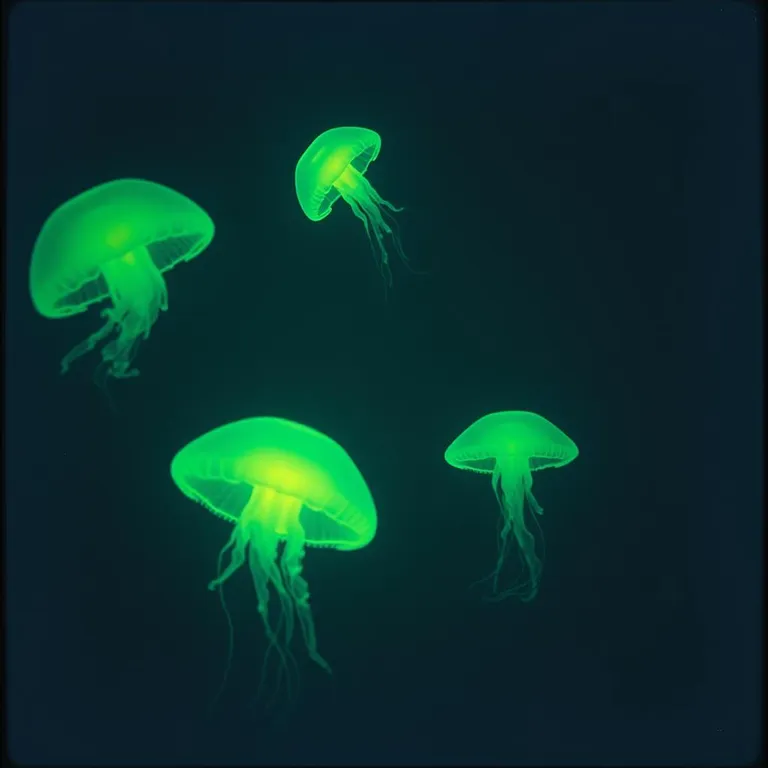
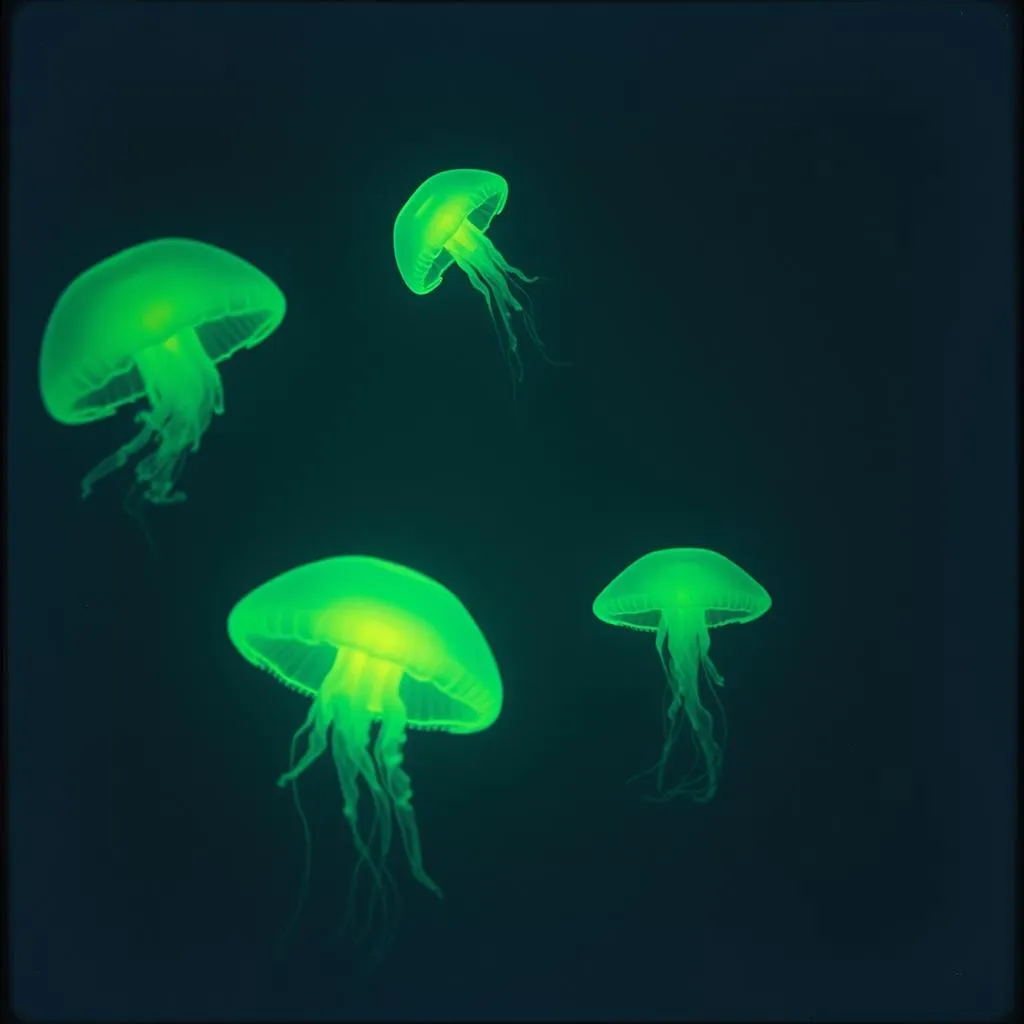
In the darkest depths of the ocean, where sunlight cannot penetrate, many organisms have evolved a fascinating adaptation known as bioluminescence. This natural ability to produce light comes from a chemical reaction within the organism, typically involving a molecule called luciferin and an enzyme called luciferase. When combined with oxygen, this reaction emits light, often blue or green due to those wavelengths traveling the farthest underwater. Bioluminescence is widespread among deep-sea creatures like jellyfish, anglerfish, and certain types of squid.
The functions of bioluminescence are as diverse as the species that possess it. Some organisms use it as a form of camouflage through a process known as counterillumination, where light on their undersides helps them blend in with the faint light above. Others use it as a lure to attract prey, as seen in the anglerfish’s iconic glowing lure dangling in front of its mouth. Still others utilize bursts of light to confuse predators or to communicate with potential mates in the pitch-black waters.
Interestingly, bioluminescence is not always produced directly by the creature itself. In some cases, the light comes from symbiotic bacteria housed within specialized light organs. These bacteria and their hosts have co-evolved over time to form mutualistic relationships, where the host provides nutrients and protection while the bacteria provide the light. This evolutionary partnership is especially prominent in certain species of flashlight fish and deep-sea shrimp.
Despite its ubiquity in the deep sea, bioluminescence remains a subject of ongoing research. Scientists are studying how these natural lights work, their genetic basis, and potential applications in medical imaging, environmental monitoring, and even bio-inspired lighting technology. The mysterious glow from the ocean depths not only reveals the incredible adaptability of life but also offers insights that could illuminate new frontiers in science and technology.

 Drnick55