Loading…
Comments
Lyrics
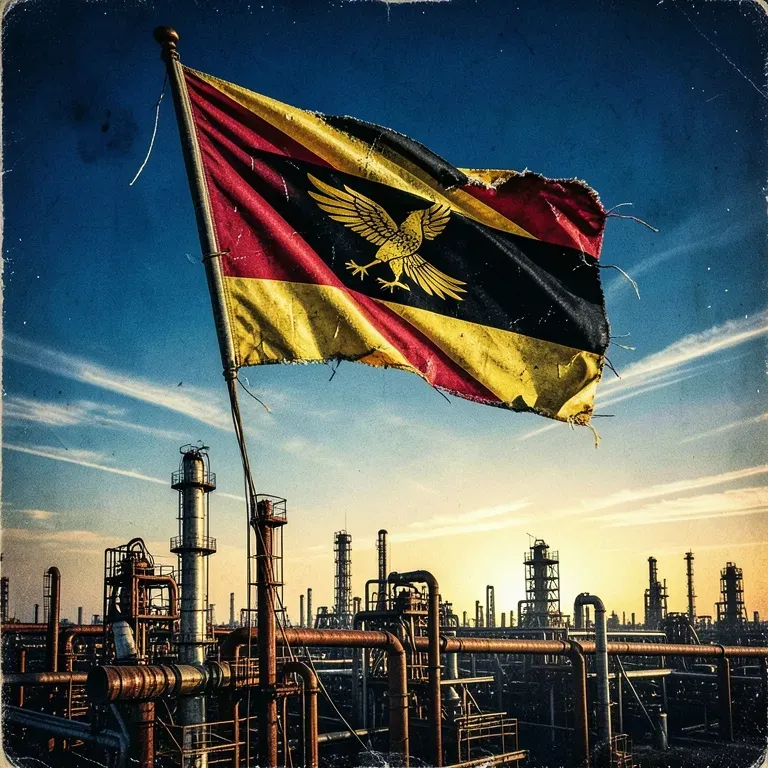
When Papua New Genuinea raised it's new flag on 16th September 1975, many foreign observers gave it ten years before tribal division tore it apart. Fifty years later, we are still one nation. That is a remarkable achievement. Yet to the story there would be dishonest. While we have succeeded in staying together as a democracy, we have failed to return our enormous resources wealth into human wellbeing. I argue that PNG's 50 years journey is defined by this paradox; unity without development. Therefore,the road ahead cannot be a continuation of the old resource model; it must be a reset towards human capital.
Firstly unity is our proudest growth. According to material #1 PNG's 50th anniversary, How a nation of 800 languages was united (ABC Pasific,10 September 2025) explain how a country of a thousand tribes was united through the constitution,Tok pisin,and share identity. unlike Many past , colonial nation PNG's has never experienced a military coup or dictatorship. material #4 PNG's democracy at 50 by Ronald J ,May ,notes that over 50 years of independence, PNG has continued to defy early predictions of Democratic collapse, even as challenges persist. prime minister James Marape in his 2025 New year address. material #6 describe 2025 as a monumental juncture,a golden jubilee to celebrate. this resilience is real. it is the foundation on which everything else must be built.
secondly, However this political growth hides deep economic and social struggles. material#5 asks will 2025 be PNG's Golden year? (business advantage png) and martial #14 examines our 50 million economy and PNG's poverty struggle.The answer is in material #23. Fifty years after independence PNG remains one of the world's poorest country. Material # 15 state clearly that PNG still lack basic services after 50 years with no suitable development model and meterial#12 details the realities faced after 50 years since 1975. our development strategy has been to explort raw gold, copper, oil, gas and logs. This creates wealth for foreign companies and a small elite, but not jobs or services for the majority. Roads, aid post and schools are still absent in many rural areas.
Thirdly, The proof of this failure is the human capital crisis. material #18 reports that PNG has a human capital crisis, say's world bank. The world bank urged PNG to invest more educating children who suffer high rates of stunted growth and illiteracy. A child born in PNG today will be only 38 percent as productive as he/she could be with full education and health. Our human capital index of 0.38 is below East Asia Pasific average of 0.61 and below sub Saharan Africa. material #17 calls this fight against youth unemployment PNG's biggest battle, while material #9 describe a fragile education system. An LNG project cannot employ 200,000 young people entering the job market each year. only skills, agriculture and small business can.
Details
GeneratedJul 30, 2026
Duration4:31
LanguageEnglish
Style
Pop, pop
Credits
Prompt byFierceStar888
ModelAria v5.5