Prompt / Lyrics
n this ancient custom, the process was as follows:
Betrothal and Preparation: After the initial betrothal (which was a binding agreement), the groom would return to his father's house to prepare a new living space, often an addition or room built onto the existing family home, for himself and his new bride.
The Wait: The preparation period could last many months, sometimes around a year. During this time, the bride would remain at her parents' home, preparing her wedding garments and continually staying ready for her groom's return, as she did not know the precise time he would arrive.
The Father's Approval: The key aspect of the tradition is that the groom's father had the ultimate authority to determine when the new room or dwelling was complete and ready. Only when the father approved the living quarters would he give his son permission, often in the middle of the night, to go and fetch his bride.
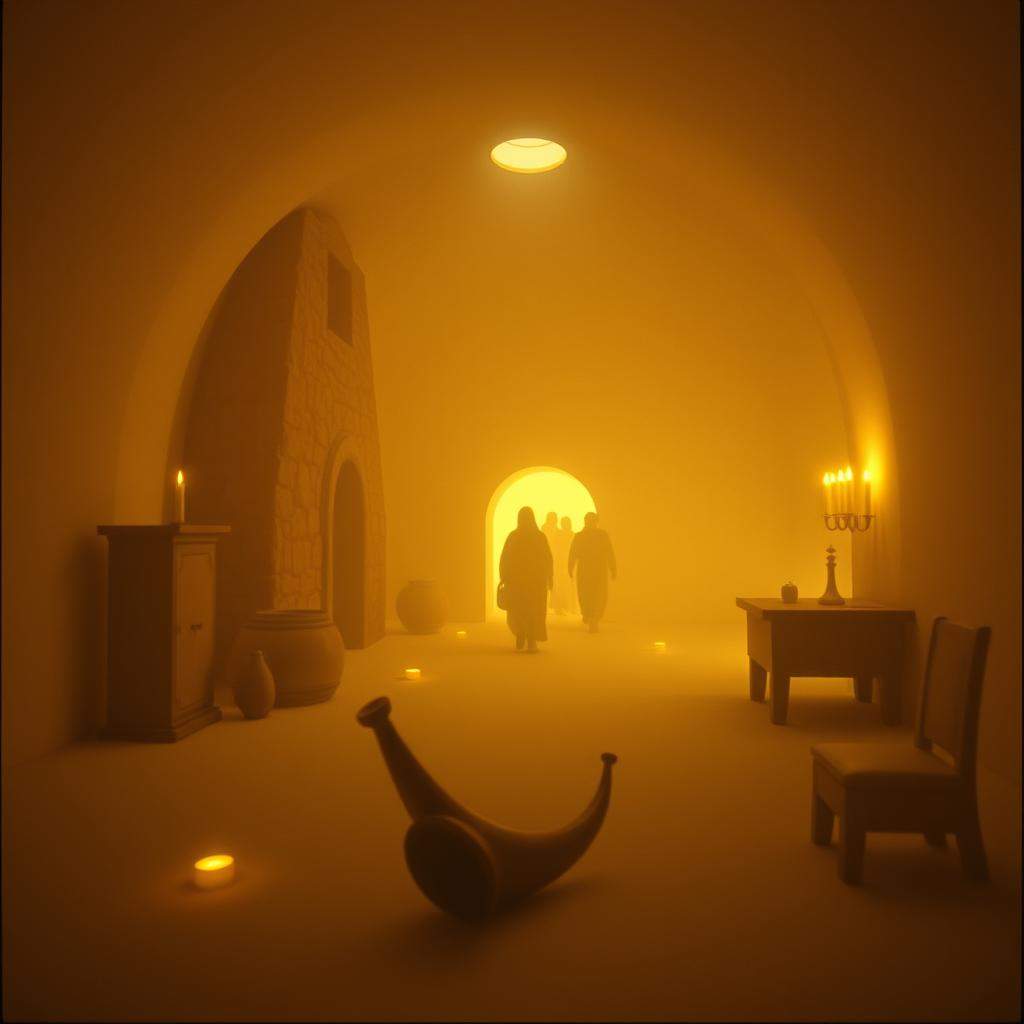
The Procession: Upon receiving his father's approval, the groom would set out, announcing his coming with a shout and the blowing of a shofar (ram's horn). The bride and her bridesmaids would then join the groom for a procession to the groom's father's house, where the wedding feast would take place for up to seven days.
Significance
This specific tradition emphasizes the element of surprise and the need for constant readiness, as neither the bride nor the groom knew the exact day or hour of the groom's return. The saying "only the father knows" underscored the father's authority in the process.


Now ask yourself are you truly ready? Because the father could tell his son Jesus go get your bride. Think about how many times per day do you think about Jesus? I dont know about you but I dont ever stop.
Listen unto your heart and not unto man be the best you can be and at the end of the rainbow is me.  Please he is begging us all to be ready. He is reminding us all. He already paid with his blood why should he pled to you.
Duration
2:41
Instrumental
No
Created
1/13/2026